

Best overall: a child-sized Naruto Uzumaki outfit. Best for a lightweight outfit: Monkey D. Luffy. Best for reusing everyday clothes: Kiki. This 2026 guide ranks the best anime cosplay costumes for kids by fit, movement, recognizable details, and how much costume management you need to handle.
- The best anime cosplay costumes for kids prioritize movement and child-specific measurements over extra accessories.
- Naruto Uzumaki is the default pick for children who want a recognizable, trouser-based anime costume.
- Monkey D. Luffy suits lightweight dressing; Kiki suits families building a costume from everyday clothes.
- Rosemchale sells anime cosplay costumes; check each garment’s measurements before considering it for a child.
WHY THIS MATTERS
A costume can look right in a photograph and still get in your child's way. Long hems, awkward closures, uncomfortable headwear, and props become your problem once the event starts.
Rosemchale sells anime cosplay costumes and streetwear apparel for men and women. For children's anime cosplay, choose by the individual garment's measurements—not the store's category name or an adult size label.
The recommendations below rank character outfit concepts, not verified children's product listings. Start with a character your child actually wants to wear, then use the checks below to decide whether a particular costume deserves your order.
WHAT MAKES THE BEST ANIME COSPLAY COSTUMES FOR KIDS?
Use these criteria to judge your 2026 shortlist before comparing character designs:
- Child-specific fit: Compare body measurements with the seller's chart. Height or an age label alone does not establish fit.
- Unrestricted movement: Your child should sit, bend, walk, and reach without pulling the neckline or catching a hem.
- Recognizable core details: Favor a clear color combination or signature garment over a pile of accessories.
- Manageable dressing: Check whether your child can handle closures and bathroom breaks, with your help where needed.
- Event suitability: Match layers to the setting and check the organizer's rules for masks, accessories, and props.
- Clear garment information: Read the fabric, care, included-component, and measurement details rather than treating the photograph as a specification.
The best costume is the recognizable outfit your child can comfortably keep wearing—not the one with the most pieces.
KIDS' ANIME COSTUMES AT A GLANCE
| Rank and costume concept | Best for | Standout design feature | Key limitation |
|---|---|---|---|
| Naruto Uzumaki | First full-character costume | Orange-led, trouser-based outfit | Headband comfort needs checking |
| Monkey D. Luffy | Lightweight dressing | Straw hat, red vest, and shorts | Open vest and shorts need weather planning |
| Kiki | Reusing everyday clothes | Dark dress and red bow | Bow placement and hem length need checking |
| Tanjiro Kamado | Layered character styling | Green-and-black checkered haori | Extra layer adds costume management |
| Anya Forger | Dress-based cosplay | Black-and-gold school outfit | Decorative details complicate everyday reuse |
| Ash Ketchum | Active, casual dressing | Cap, vest or jacket, and trousers | Anime versions have different outfit details |
These are design-based recommendations. A character's place in the table does not establish the quality, licensing, safety, or fit of a particular manufacturer's costume.
1. NARUTO UZUMAKI: BEST ANIME COSTUME FOR A FIRST FULL OUTFIT
A Naruto Uzumaki costume gives you a trouser-based foundation with a strong orange color identity. Choose the specific anime version before shopping, because Naruto's clothing changes across the series.
Best for: A child who wants a coordinated character outfit rather than a loosely themed look.
Naruto Uzumaki pros:
- Trousers avoid the trailing hem of a long robe.
- The orange-led outfit gives you a clear styling direction.
- The character look does not require carrying a weapon prop.
Naruto Uzumaki cons:
- A forehead protector needs a separate comfort and fit check.
- A jacket-style top needs to suit the event's temperature.
Compare the jacket and trousers separately against the size chart. A set that fits at the waist can still have sleeves that cover the hands or trouser legs that catch beneath shoes.
For a first convention in 2026, keep the outfit simple: clothing first, headband only if comfortable, and no unnecessary handheld accessories. Let your child try the full outfit with the shoes they will actually wear.
Verdict: BUY the child-sized Naruto Uzumaki concept if your child wants a complete character look and the measurements fit.
2. MONKEY D. LUFFY: BEST ANIME COSTUME FOR LIGHTWEIGHT DRESSING
Monkey D. Luffy's familiar straw-hat, red-vest, and shorts combination offers a relatively simple costume structure. You can focus on the silhouette without adding a long coat, elaborate headpiece, or multiple decorative layers.
Best for: A child who prefers shorts and minimal layering.
Monkey D. Luffy pros:
- Shorts leave the lower legs free of costume fabric.
- The hat supplies a distinct character cue.
- The outfit can work without a wig or handheld prop.
Monkey D. Luffy cons:
- The vest-and-shorts combination needs adjustment for cooler settings.
- A straw hat becomes something you carry if your child removes it.
Use secure, comfortable footwear rather than copying illustrated footwear at the expense of walking comfort. Check whether the vest rubs at the armholes when your child reaches forward.
Treat the hat as optional during active play. If the costume only feels recognizable while an uncomfortable hat stays on, reconsider whether it is the right choice for your child.
Verdict: BUY the Monkey D. Luffy concept for lightweight dressing; SKIP it when your child dislikes hats or exposed-arm outfits.
3. KIKI: BEST ANIME COSTUME FOR REUSING EVERYDAY CLOTHES
Kiki's dark dress and red bow create a direct route into anime cosplay without a complicated costume build. Use a simple dress shape as the foundation, then decide whether the bow feels comfortable enough to wear.
Best for: Families who want to build around clothing their child already enjoys wearing.
Kiki pros:
- The outfit can begin with an everyday dark dress.
- The red bow provides a clear focal point.
- The look does not depend on armor, a mask, or a wig.
Kiki cons:
- An oversized bow can slip or feel distracting.
- A broom accessory adds something to carry and manage.
Choose a hem that stays clear of shoes when your child walks and climbs steps. Keep the broom out of the core outfit: a photo accessory does not need to become an all-day obligation.
For a 2026 school event, Kiki is a practical concept to assess against the school's rules. Confirm headwear and prop requirements directly rather than assuming a simple-looking costume is automatically permitted.
Verdict: BUY the Kiki concept when wardrobe reuse matters; SKIP extra props that make the outfit harder to wear.
4. TANJIRO KAMADO: BEST ANIME COSTUME FOR LAYERED CHARACTER STYLING
Tanjiro Kamado's green-and-black checkered haori supplies the central visual cue over a dark outfit. The outer layer makes this a useful concept for a child who enjoys a more structured, layered costume.
Best for: A Demon Slayer fan who wants a distinctive outer garment.
Tanjiro Kamado pros:
- The checkered haori carries much of the character identity.
- A dark base outfit keeps the styling focused.
- You can omit a sword prop from the wearable outfit.
Tanjiro Kamado cons:
- The haori adds another garment to fit and manage.
- Loose sleeves need checking during eating and reaching.
Check the haori over the actual base clothing, not a thin substitute. Have your child sit at a table and reach forward to see where the cuffs fall.
Do not treat earrings or a sword as mandatory. Start with the clothing and assess every additional piece separately for comfort, age suitability, and event rules.
Verdict: BUY the Tanjiro Kamado concept for a child who likes layers; HOLD if loose sleeves already bother them.
5. ANYA FORGER: BEST ANIME COSTUME FOR A DRESS-BASED LOOK
Anya Forger's black-and-gold school outfit gives dress-preferring children a recognizable anime costume direction. Choose between a clothing-focused interpretation and a fuller character look before adding hair accessories or a wig.
Best for: A child who enjoys dress-based costumes and decorative trim.
Anya Forger pros:
- The dress serves as the main costume garment.
- Gold-colored detailing establishes a focused visual theme.
- You can assess the clothing independently of hair accessories.
Anya Forger cons:
- Decorative trim requires checking for scratchy edges.
- A wig adds a separate fit and comfort decision.
Inspect the neckline, sleeve openings, and inside seams. A costume that looks soft from the outside still needs a hands-on comfort check before an event.
Do not buy a larger dress simply to gain length without checking the shoulders and neckline. Choose a garment whose full measurements work, then keep accessories optional.
Verdict: BUY the Anya Forger concept for a child who likes dresses; HOLD any wig until the clothing passes a comfortable try-on.
6. ASH KETCHUM: BEST ANIME COSTUME FOR ACTIVE, CASUAL DRESSING
Ash Ketchum's outfits combine familiar casual garments such as a cap, a vest or jacket, and trousers. Pick one anime version so you can compare the right colors and garment shapes instead of mixing unrelated listing photos.
Best for: A child who wants cosplay built around familiar clothing shapes.
Ash Ketchum pros:
- Trousers and a casual top provide an everyday-style foundation.
- The cap gives the outfit a distinct focal point.
- The look does not require a mask or long robe.
Ash Ketchum cons:
- Different anime versions make outfit matching less straightforward.
- Gloves and carried accessories add pieces to keep track of.
Begin with the cap and main clothing rather than collecting every accessory. If your child dislikes gloves, leave them out instead of turning a styling detail into a distraction.
Verdict: BUY the Ash Ketchum concept for casual dressing; HOLD until you and your child agree on the anime version.
CHECK THE FIT BEFORE THE EVENT
For your 2026 costume order, record 4 measurements before comparing size charts: chest, waist, height, and sleeve length. Follow the seller's measuring instructions because body measurements and finished-garment measurements are not interchangeable.
Use this sequence once the outfit arrives:
- Measure: Compare the garment with its stated chart and your child's measurements.
- Dress: Add the actual base layers, socks, and shoes planned for the event.
- Move: Ask your child to sit, bend, reach, and walk.
- Simplify: Remove accessories that interfere with comfort or movement.
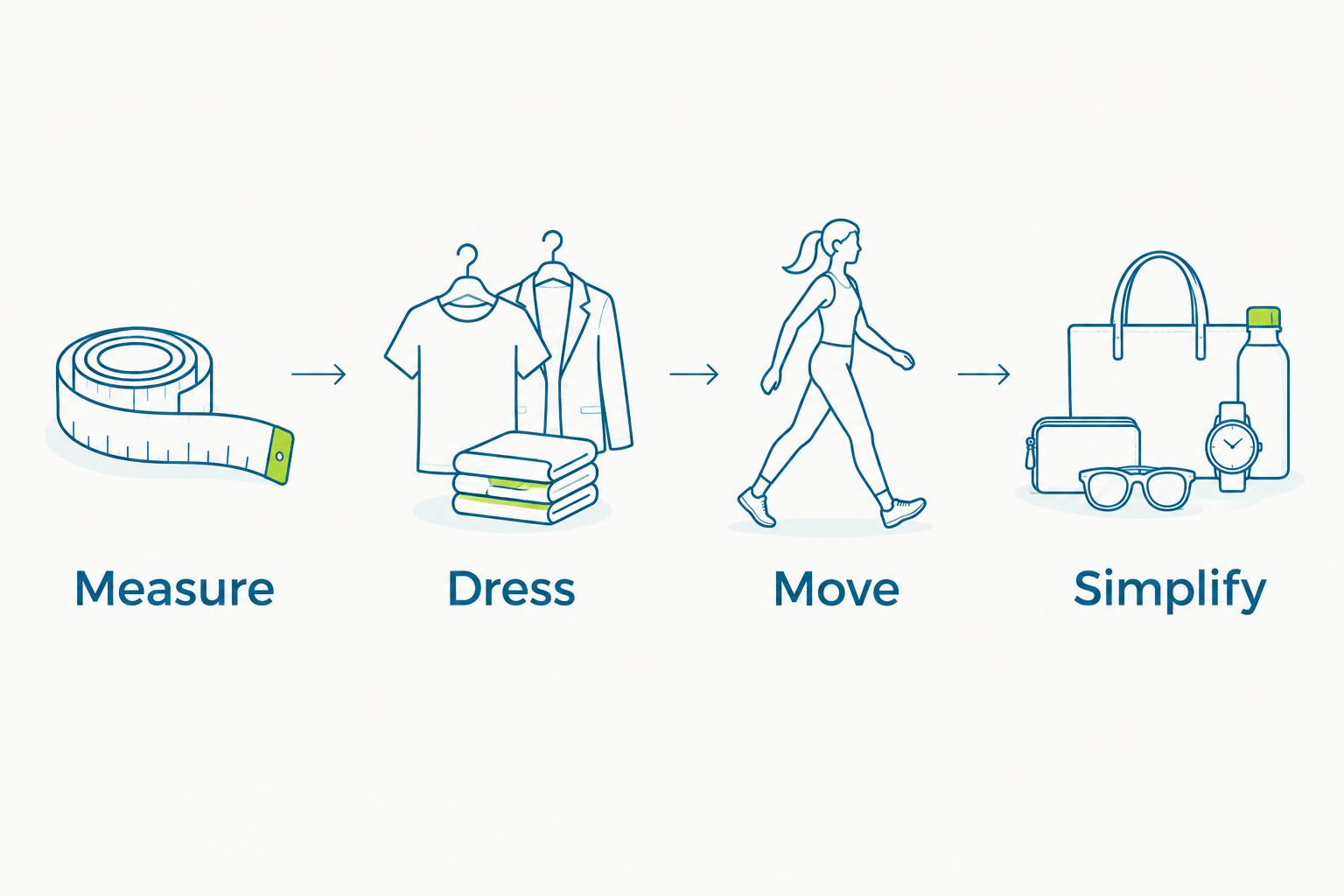
Run a 60-second movement check as a first screen, then let your child wear the outfit during ordinary indoor activity. The short check catches obvious problems; it does not establish all-day comfort.
Photograph the outfit from the front and back to inspect dragging fabric or twisted layers. Ask what feels annoying—not just whether the costume looks good.
HOW THE COSTUME CONCEPTS RANK
The ranking prioritizes child-specific fit, movement, recognizable design, manageable dressing, and event suitability. Naruto leads as the default full-outfit concept; Luffy, Kiki, Tanjiro, Anya, and Ash each serve a different dressing preference.
This is not a hands-on product test or a ranking of manufacturers. Rosemchale's anime cosplay guides provide character ideas; the individual garment still needs its own measurement and construction checks.
WHICH ANIME COSTUME SHOULD YOU CHOOSE?
Choose Naruto Uzumaki if you need a starting point for a complete, trouser-based costume. Choose Kiki if you want wardrobe reuse, or Monkey D. Luffy if your child prefers a lighter outfit.
Your child's preference breaks the tie. A favorite character with fewer accessories is a better choice than a detailed costume your child wants to take off immediately.
FAQ
What's the best anime cosplay costume for a child's first event?
A child-sized Naruto Uzumaki outfit is the default recommendation in this guide. Its trouser-based design offers a coordinated character look, but the individual garment must pass fit and movement checks.
Which anime costume can I build from everyday clothes?
Kiki is a useful starting point for an everyday-clothing costume. Build around a dark dress and a comfortable red bow, and treat the broom as optional.
Is an adult small costume suitable for a child?
An adult small label does not establish a suitable fit for a child. Compare chest, waist, height, and sleeve measurements with the specific garment's chart.
Does my child need a wig for anime cosplay?
A wig is optional for the costume concepts in this guide. Start with recognizable clothing and add headwear only if your child finds it comfortable.
Can my child bring a cosplay sword to a convention?
The convention's rules determine whether a cosplay sword is permitted. Check the organizer's current prop policy before packing any weapon-shaped accessory.
How do I check whether a costume is comfortable?
Have your child sit, bend, reach, and walk in the complete outfit. Check necklines, seams, hems, shoes, and accessories, then allow a longer indoor try-on.
What should I check when shopping Rosemchale for kids' anime cosplay?
Check the individual garment's measurements, materials, included pieces, and care instructions. A character name or costume photograph does not establish child-specific fit.
ONE LAST THING
Before your 2026 event, take 2 outfit photos: one with the optional accessories and one without. Ask your child which version they want to wear, then pack around that answer—not the listing photograph.